
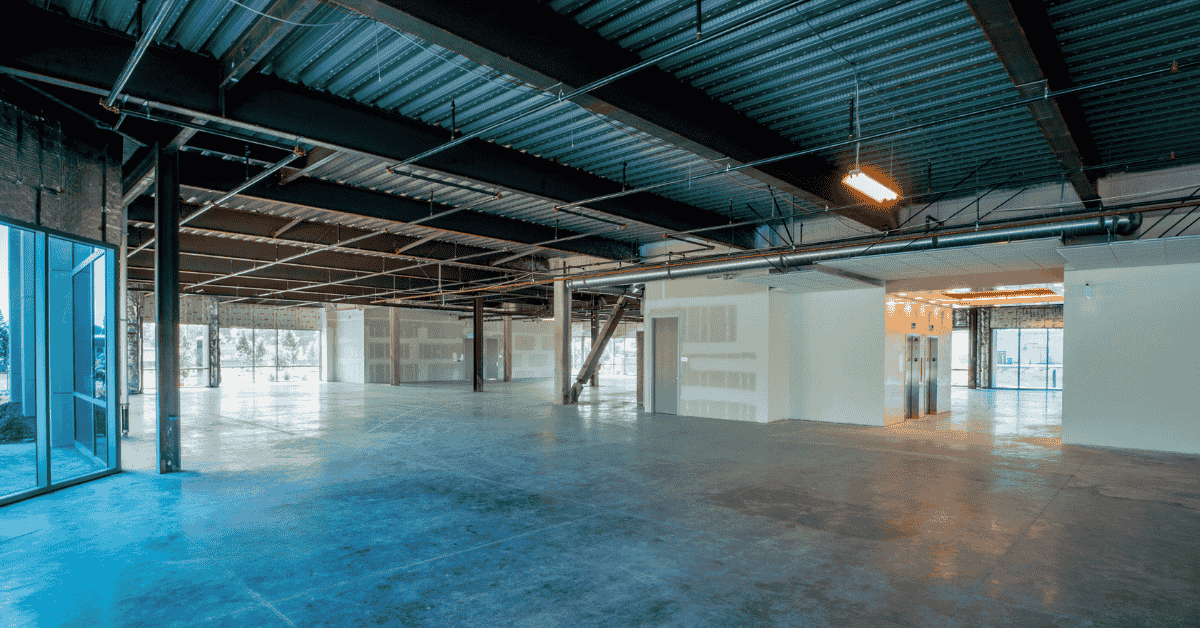
When healthcare professionals search for a new location, choosing the right type of office space becomes a critical decision. The layout, infrastructure, and location of a medical facility can directly impact patient experience, staff efficiency, and regulatory compliance.
In growing metropolitan areas like Phoenix, healthcare providers often choose between two primary options:
-
medical office space
-
traditional office space
While both types of properties can serve professional businesses, medical practices typically have unique operational requirements that influence which option is best.
Working with experienced commercial real estate professionals such as Bellagio Real Estate can help healthcare providers evaluate their options and select a property that supports both patient care and long-term growth.
Understanding the differences between medical offices and traditional office spaces can make the decision process much easier.
What Is Medical Office Space?
Medical office space refers to commercial properties specifically designed or modified for healthcare services. These facilities are built to accommodate the specialized needs of doctors, dentists, therapists, and other healthcare professionals.
Medical office spaces often include features such as:
-
exam rooms and treatment areas
-
specialized plumbing and electrical systems
-
waiting rooms designed for patient flow
-
medical-grade sanitation infrastructure
-
accessibility features for patients with mobility challenges
These properties are typically located within healthcare-focused developments or near hospitals and other medical facilities.
For many practices, medical office space provides the infrastructure needed to operate efficiently while maintaining compliance with healthcare regulations.
What Is Traditional Office Space?
Traditional office space is designed for general business use and can support a wide range of professional services such as legal offices, consulting firms, marketing agencies, and financial companies.
These spaces typically include:
-
private offices or open workspaces
-
conference rooms
-
reception areas
-
break rooms
-
general office infrastructure
While traditional office properties may be suitable for some healthcare providers, they usually require renovations to support medical equipment, patient rooms, and specialized plumbing systems.
For practices with minimal equipment needs—such as counseling or administrative healthcare services—traditional office spaces may still be a practical option.
Infrastructure Requirements for Medical Practices
Healthcare facilities often require building features that standard office properties do not include.
Some of the most important infrastructure considerations for medical practices include:
-
reinforced electrical systems for medical equipment
-
additional plumbing for exam rooms and sinks
-
proper ventilation systems
-
medical waste disposal compliance
-
soundproof treatment rooms
Medical office buildings are often designed with these requirements already in place, which can reduce the cost and complexity of renovations.
Traditional office buildings may require significant upgrades to meet these needs.
Real estate advisors often help healthcare professionals determine which properties can support the necessary infrastructure before committing to a lease.
Patient Experience and Accessibility
The design of a healthcare facility can significantly influence the patient experience.
Medical office buildings are often designed with patient convenience in mind, offering features such as:
-
spacious waiting areas
-
accessible entrances and hallways
-
elevator access for multi-story buildings
-
convenient parking for patients
-
proximity to other healthcare providers
These elements help create a welcoming and efficient environment for patients.
While traditional office spaces may still accommodate these features, they often require modifications to meet accessibility standards and patient flow requirements.
Choosing a property designed specifically for healthcare services can simplify this process.
Location Considerations for Healthcare Practices
Location plays a major role in the success of a medical practice.
Healthcare providers often prioritize locations that offer:
-
easy access for patients
-
proximity to hospitals or medical centers
-
visibility within healthcare districts
-
convenient parking availability
Medical office developments are frequently located near hospitals, clinics, and pharmacies, creating a healthcare ecosystem that benefits both providers and patients.
Real estate professionals familiar with local healthcare markets can help identify properties located within these high-demand areas.
Costs and Renovation Considerations
Another important factor when choosing between medical and traditional office space is renovation cost.
Converting a traditional office property into a medical practice may require:
-
installing additional plumbing
-
modifying electrical systems
-
creating exam rooms
-
adding medical-grade ventilation
-
redesigning waiting areas
These renovations can significantly increase startup costs for a new practice.
Medical office spaces may require fewer modifications because they are often designed with healthcare services in mind.
Evaluating these potential costs before leasing a property helps healthcare professionals avoid unexpected expenses.
Compliance and Regulatory Considerations
Healthcare facilities must comply with specific regulations related to accessibility, sanitation, and patient safety.
Medical office buildings are typically designed with these compliance requirements in mind, including:
-
ADA accessibility standards
-
proper sanitation systems
-
patient privacy considerations
-
emergency access requirements
Traditional office buildings may still meet these standards, but additional modifications may be necessary to ensure full compliance.
Healthcare providers should carefully review these requirements before finalizing a lease agreement.
Long-Term Growth for Medical Practices
Healthcare providers often build long-term relationships with their patients, which means relocation can be disruptive for both staff and patients.
Choosing the right property from the beginning can support future growth and expansion.
Practices should evaluate whether the property allows for:
-
additional exam rooms
-
expanded treatment areas
-
increased staff capacity
-
upgraded medical equipment
Planning for long-term growth ensures the space can support the practice as patient demand increases.
Commercial real estate professionals often help practices identify properties with room for future expansion.
How Bellagio Real Estate Helps Healthcare Professionals
Navigating commercial real estate for healthcare practices requires specialized knowledge of both property markets and medical facility requirements.
Bellagio Real Estate works with healthcare professionals throughout Arizona to identify commercial properties that support the unique needs of medical practices.
Their commercial real estate services include:
-
medical office leasing
-
commercial property consulting
-
investment property opportunities
-
property management services
By understanding the operational needs of healthcare providers, Bellagio Real Estate helps medical professionals secure properties that support efficient operations and positive patient experiences.
Final Thoughts
Choosing between medical office space and traditional office space is an important decision for healthcare professionals. Each option offers advantages depending on the type of practice, equipment needs, and patient services offered.
Medical office buildings often provide infrastructure specifically designed for healthcare operations, while traditional office spaces may offer flexibility for certain types of practices.
Evaluating factors such as infrastructure requirements, patient accessibility, renovation costs, and long-term growth potential can help providers make the right decision.
With guidance from experienced professionals like Bellagio Real Estate, healthcare providers can find commercial properties that support both their clinical operations and their long-term business success.
Follow us on social media!
Contact Us Today!
When healthcare professionals search for a new location, choosing the right type of office space becomes a critical decision. The layout, infrastructure, and location of a medical facility can directly impact patient experience, staff efficiency, and regulatory compliance.
In growing metropolitan areas like Phoenix, healthcare providers often choose between two primary options:
-
medical office space
-
traditional office space
While both types of properties can serve professional businesses, medical practices typically have unique operational requirements that influence which option is best.
Working with experienced commercial real estate professionals such as Bellagio Real Estate can help healthcare providers evaluate their options and select a property that supports both patient care and long-term growth.
Understanding the differences between medical offices and traditional office spaces can make the decision process much easier.
What Is Medical Office Space?
Medical office space refers to commercial properties specifically designed or modified for healthcare services. These facilities are built to accommodate the specialized needs of doctors, dentists, therapists, and other healthcare professionals.
Medical office spaces often include features such as:
-
exam rooms and treatment areas
-
specialized plumbing and electrical systems
-
waiting rooms designed for patient flow
-
medical-grade sanitation infrastructure
-
accessibility features for patients with mobility challenges
These properties are typically located within healthcare-focused developments or near hospitals and other medical facilities.
For many practices, medical office space provides the infrastructure needed to operate efficiently while maintaining compliance with healthcare regulations.
What Is Traditional Office Space?
Traditional office space is designed for general business use and can support a wide range of professional services such as legal offices, consulting firms, marketing agencies, and financial companies.
These spaces typically include:
-
private offices or open workspaces
-
conference rooms
-
reception areas
-
break rooms
-
general office infrastructure
While traditional office properties may be suitable for some healthcare providers, they usually require renovations to support medical equipment, patient rooms, and specialized plumbing systems.
For practices with minimal equipment needs—such as counseling or administrative healthcare services—traditional office spaces may still be a practical option.
Infrastructure Requirements for Medical Practices
Healthcare facilities often require building features that standard office properties do not include.
Some of the most important infrastructure considerations for medical practices include:
-
reinforced electrical systems for medical equipment
-
additional plumbing for exam rooms and sinks
-
proper ventilation systems
-
medical waste disposal compliance
-
soundproof treatment rooms
Medical office buildings are often designed with these requirements already in place, which can reduce the cost and complexity of renovations.
Traditional office buildings may require significant upgrades to meet these needs.
Real estate advisors often help healthcare professionals determine which properties can support the necessary infrastructure before committing to a lease.
Patient Experience and Accessibility
The design of a healthcare facility can significantly influence the patient experience.
Medical office buildings are often designed with patient convenience in mind, offering features such as:
-
spacious waiting areas
-
accessible entrances and hallways
-
elevator access for multi-story buildings
-
convenient parking for patients
-
proximity to other healthcare providers
These elements help create a welcoming and efficient environment for patients.
While traditional office spaces may still accommodate these features, they often require modifications to meet accessibility standards and patient flow requirements.
Choosing a property designed specifically for healthcare services can simplify this process.
Location Considerations for Healthcare Practices
Location plays a major role in the success of a medical practice.
Healthcare providers often prioritize locations that offer:
-
easy access for patients
-
proximity to hospitals or medical centers
-
visibility within healthcare districts
-
convenient parking availability
Medical office developments are frequently located near hospitals, clinics, and pharmacies, creating a healthcare ecosystem that benefits both providers and patients.
Real estate professionals familiar with local healthcare markets can help identify properties located within these high-demand areas.
Costs and Renovation Considerations
Another important factor when choosing between medical and traditional office space is renovation cost.
Converting a traditional office property into a medical practice may require:
-
installing additional plumbing
-
modifying electrical systems
-
creating exam rooms
-
adding medical-grade ventilation
-
redesigning waiting areas
These renovations can significantly increase startup costs for a new practice.
Medical office spaces may require fewer modifications because they are often designed with healthcare services in mind.
Evaluating these potential costs before leasing a property helps healthcare professionals avoid unexpected expenses.
Compliance and Regulatory Considerations
Healthcare facilities must comply with specific regulations related to accessibility, sanitation, and patient safety.
Medical office buildings are typically designed with these compliance requirements in mind, including:
-
ADA accessibility standards
-
proper sanitation systems
-
patient privacy considerations
-
emergency access requirements
Traditional office buildings may still meet these standards, but additional modifications may be necessary to ensure full compliance.
Healthcare providers should carefully review these requirements before finalizing a lease agreement.
Long-Term Growth for Medical Practices
Healthcare providers often build long-term relationships with their patients, which means relocation can be disruptive for both staff and patients.
Choosing the right property from the beginning can support future growth and expansion.
Practices should evaluate whether the property allows for:
-
additional exam rooms
-
expanded treatment areas
-
increased staff capacity
-
upgraded medical equipment
Planning for long-term growth ensures the space can support the practice as patient demand increases.
Commercial real estate professionals often help practices identify properties with room for future expansion.
How Bellagio Real Estate Helps Healthcare Professionals
Navigating commercial real estate for healthcare practices requires specialized knowledge of both property markets and medical facility requirements.
Bellagio Real Estate works with healthcare professionals throughout Arizona to identify commercial properties that support the unique needs of medical practices.
Their commercial real estate services include:
-
medical office leasing
-
commercial property consulting
-
investment property opportunities
-
property management services
By understanding the operational needs of healthcare providers, Bellagio Real Estate helps medical professionals secure properties that support efficient operations and positive patient experiences.
Final Thoughts
Choosing between medical office space and traditional office space is an important decision for healthcare professionals. Each option offers advantages depending on the type of practice, equipment needs, and patient services offered.
Medical office buildings often provide infrastructure specifically designed for healthcare operations, while traditional office spaces may offer flexibility for certain types of practices.
Evaluating factors such as infrastructure requirements, patient accessibility, renovation costs, and long-term growth potential can help providers make the right decision.
With guidance from experienced professionals like Bellagio Real Estate, healthcare providers can find commercial properties that support both their clinical operations and their long-term business success.